Notable Festivals: Cannes Film Festival
It’s natural to romanticize one’s childhood; who wouldn’t want to attribute a poignant meaning to our formative years, or at least a nostalgic glow? The world didn’t seem as complicated, emotions were purer and more strongly felt, and seemingly-pedestrian events can take on the charge of a life-defining moment. Most of us don’t think our childhoods merit a full-on motion picture, but that’s what great storytellers do. They find the universal meaning in the specific and the seemingly-mundane. Childhood is an origin story, or a creation myth. In some instances, it’s a parable.
The early 2020’s found pop culture looking to the past for comfort and clarity in the midst of the destabilizing future wrought by the COVID-19 pandemic. Cinema in particular saw a tidy wave of auteurs mining their own personal histories for material. Steven Spielberg took the assignment rather literally, with his 2022 film MEET THE FABELMANS constructing a thinly-fictionalized tale about his discovery of filmmaking amidst a profound familial fracturing. Paul Thomas Anderson’s LICORICE PIZZA (2021) recreated the San Fernando Valley of his teen years for a pseudofictional story about a precocious young man’s erratic romance with an aloof girl several years his senior, inspired in part by the crush he had on his art teacher.
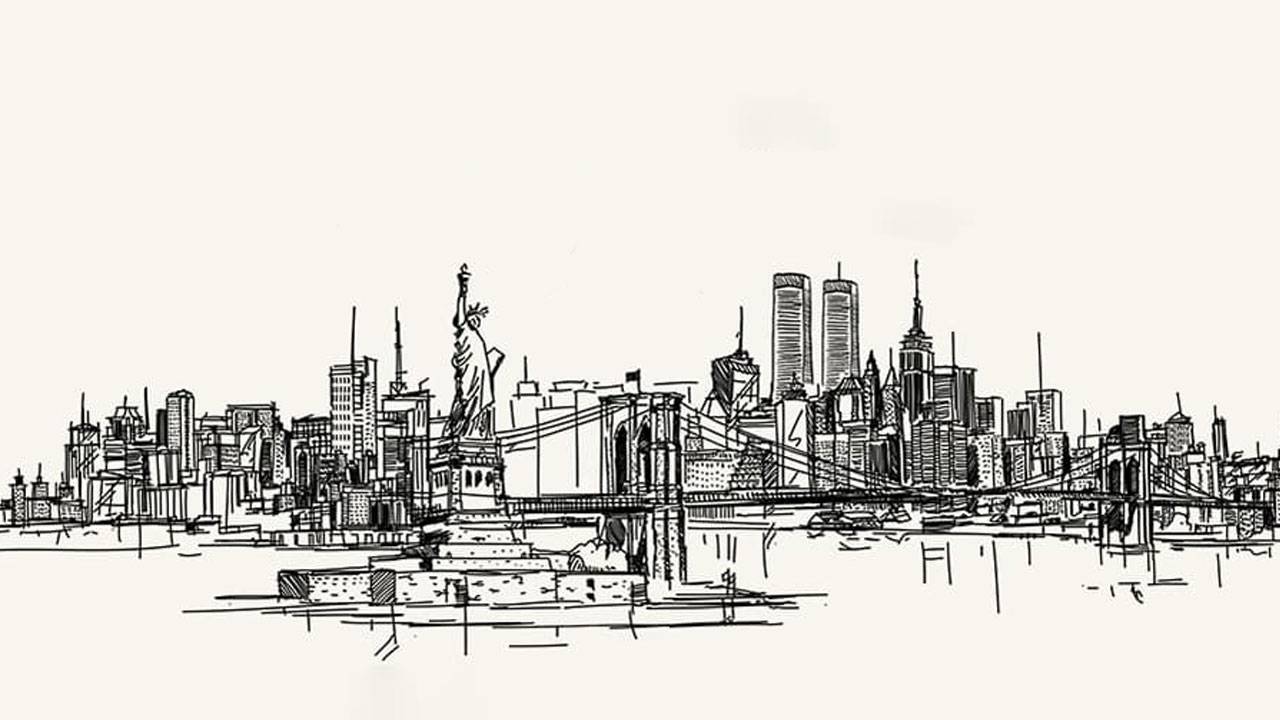
And then there’s James Gray, a director whose entire filmography has benefited from autobiographical flourishes. In 2022, he would release his eighth feature film, ARMAGEDDON TIME – a meticulous reconstruction of his boyhood in 1980’s Queens, New York. It’s not a story about the discovery of his passion for cinema, or the emotional earthquake of first love; rather, it’s a subtle tale about a young boy’s awakening to his artistic creativity and his virtues in opposition to a morally-compromised environment.
Early access to the full article is now available to our community on Patreon! Click through to sign up and start reading.

Leave a Reply